Easy STEM Activities for Kindergarten Classrooms
Kindergarten learning needs high excitement. STEM education must start very early. Teachers seek simple low-prep ideas always. Busy schedules require very quick setups. These activities fit classroom routines perfectly. Science technology engineering math blend easily. Young students explore basic concepts naturally. Discovery is their favorite school activity here. Mission.io supports early childhood education goals deeply. Simple materials provide great instructional results now. Educators transform playtime into active learning time. This guide offers practical solutions readily available. Prepare for joyful classroom investigations quickly. These foundational lessons build crucial skills early. Every child deserves this type of engagement daily. Implement these easy activities very soon. Here are the kindergarten stem activities you should know about.
Building Towers with Toothpicks
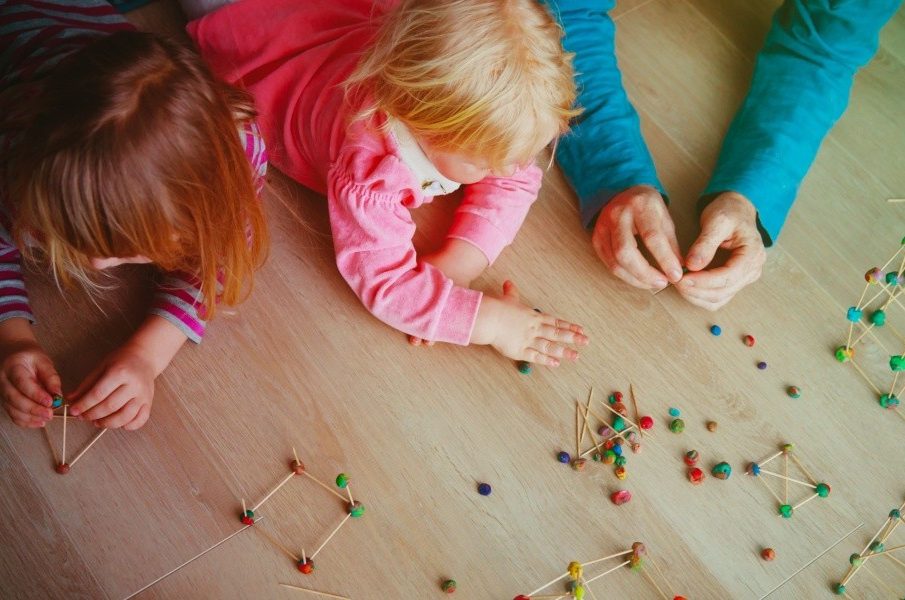
Students explore engineering principles easily here. They use only toothpicks and marshmallows now. The challenge requires building the very tallest tower. Structures must stand up independently firmly. Little hands work very carefully during building time. Materials are always cheap and very easy to find. Marshmallows introduce squishy flexible connections. Toothpicks provide necessary rigid frame support. Children learn stability and balance quickly and well. Collaboration skills develop during this shared task. Teachers observe complex problem solving strategies. Students test weight distribution effectively and safely. Design flaws become valuable learning opportunities quickly. Repeatable tasks reinforce structural stability knowledge. This simple activity is always highly engaging for children. Engineering concepts become tangible and fun. Students take great pride in their tall creations. They learn from immediate sensory feedback always. This resource is valuable for every teacher.
The Magic of Floating and Sinking
Water tables offer amazing physical science lessons. Provide students various simple lightweight objects. Use keys plastic blocks small stones and leaves. Predict which item will sink down or float up. Students test their own hypotheses next very carefully. Record results with simple picture charts or drawings. Density concepts become very clear visually for all. Observe how trapped air pockets affect buoyancy greatly. Children explore the properties of matter deeply here. Teachers prompt thoughtful student questioning sessions constantly. Why does a small leaf stay on top water? Can a big toy boat still float very well? This lesson requires minimal planning preparation time.
Homemade Balance Scales
Measurement skills start developing very early in school. Teachers make simple effective scales using clothes hangers. Use two small cups securely attached underneath the hanger. Students collect various differing classroom items freely. They compare item weights using immediate visual cues clearly. How many tiny cotton balls weigh one single wooden block? Experimentation teaches relative weight comparison clearly. Concepts of heavy versus light are explored readily here. Students practice counting skills naturally during comparison. Teachers encourage precise mathematical vocabulary use always. This engineering project is simple quick to build. Provide varied items like feathers marbles plastic paperclips. The scale becomes a favorite student learning tool very swiftly. Children enjoy active mathematical comparison deeply. Mission.io focuses on hands-on math exploration methods.